
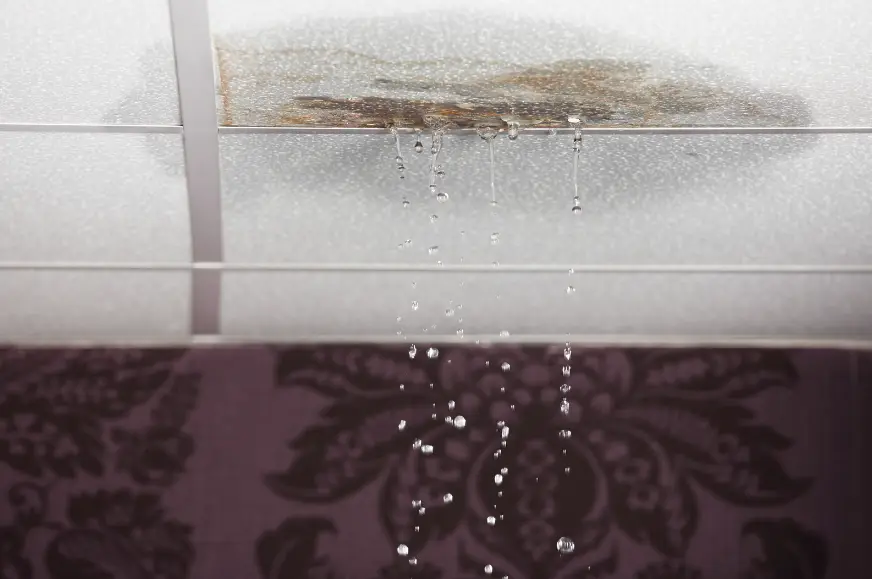
Finding a damp patch or watching a steady drip of water leakage from ceiling areas is enough to make any homeowner’s heart sink. It usually starts small maybe a faint yellowish stain or a bit of bubbling paint but if left ignored, it can quickly turn into a major structural headache. Dealing with water issues isn't just about catching drips in a bucket; it’s about understanding where that moisture is coming from and stopping it before it weakens your home or encourages mold growth.
In this guide, we’ll walk through the common causes of these leaks, how to spot the early warning signs of water seepage ceiling problems, and the practical steps you can take to fix the issue. Whether you live in a high-rise apartment or a landed property, knowing how to react can save you thousands in repair costs. Let’s dive into how you can keep your home dry and safe.
Why You Shouldn't Ignore Water Leakage From Ceiling Spots
When you first notice a wet spot above you, it is tempting to think, "I'll deal with that next weekend." However, water is persistent. A small amount of water leakage from ceiling joints can travel along beams and wires, showing up far from the actual source of the leak. By the time you see a visible drip, the internal structure of your ceiling—whether it is concrete, plasterboard, or wood—has likely been soaking for days or even weeks.
Ignoring the problem doesn't just damage the aesthetics of your home; it creates a health risk. Damp environments are the perfect breeding ground for black mold, which can trigger respiratory issues and allergies. Furthermore, if the water comes into contact with electrical wiring hidden in the ceiling, it poses a serious fire hazard. Taking quick action is the most professional and cost-effective way to manage your property.
Common Causes of Water Seepage Ceiling Issues
Understanding the "why" is just as important as the "how" when it comes to repairs. In many Singaporean homes, especially in HDB flats or older condos, water seepage ceiling issues often stem from the unit directly above yours. This is frequently due to the wear and tear of the waterproof membrane in the upstairs neighbor’s bathroom or kitchen floor. Over time, these membranes crack, allowing water to soak through the floor slabs.
Other common culprits include:
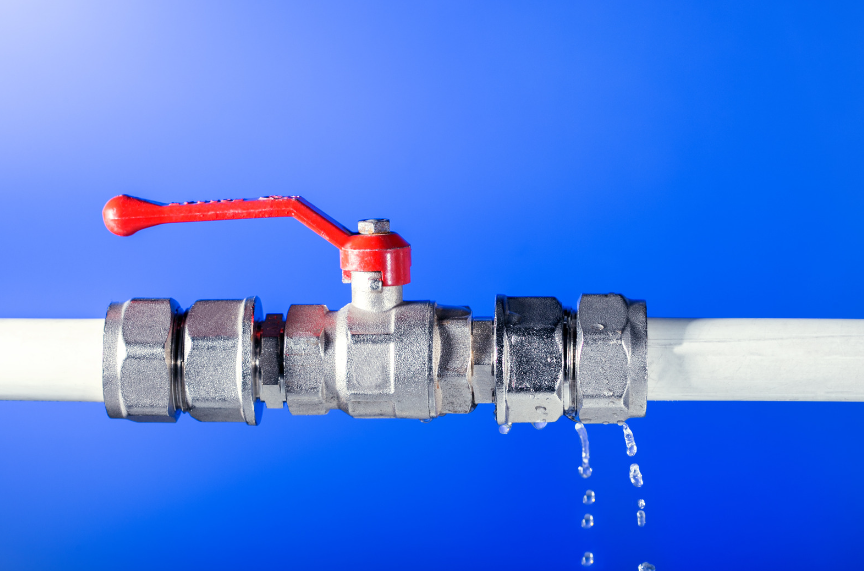
Leaking Pipes: Supply lines or waste pipes hidden in the ceiling void can develop pinhole leaks or joint failures.
Roof Issues: If you live on the top floor, a damaged roof tile or a clogged gutter can force rainwater into the ceiling structure.
Aircon Condensation: Poorly insulated air conditioning pipes can "sweat," leading to localized dampness and dripping.
Identifying the specific cause helps you determine if the repair is a simple DIY fix or if you need to call in a professional waterproofing specialist to handle a more complex structural problem.
How to Tell if You Have a Real Emergency
Not all leaks are created equal. A slow, brownish stain might give you a few days to investigate, but a sudden, heavy flow of water leakage from ceiling light fixtures or electrical points requires immediate intervention. If water is pouring out near electricity, the very first thing you should do is turn off the main power supply to that area to prevent short circuits or shocks.
Another red flag is a sagging ceiling. If the plasterboard looks like it is bulging downward, it is likely holding a significant weight of water. In this situation, the ceiling is at risk of collapsing. You might actually need to carefully poke a small hole in the center of the bulge with a screwdriver to drain the trapped water into a bucket, relieving the pressure until a contractor arrives.
Simple Steps to Troubleshoot Water Seepage Ceiling Stains
Before you call for help, you can do a bit of detective work. If the water seepage ceiling appears only when it rains, the problem is likely external—check your windows, roof, or outer walls. However, if the stain is constant or gets worse when the neighbor upstairs is showering, the issue is almost certainly plumbing or waterproofing related to the floor slab above you.
Keep a log of when the leaking occurs. Does it happen at 7:00 AM every morning? That usually coincides with someone’s morning shower routine. Providing this information to a specialist at All Star Waterproofing can significantly speed up the diagnostic process, ensuring the repair is targeted and effective the first time around.
Modern Solutions for Ceiling Waterproofing
The good news is that technology has come a long way. In the past, fixing a leak meant hacking up the entire floor or tearing down half a ceiling. Today, professional teams use "No-Hacking" methods. For example, Polyurethane (PU) Injection is a popular choice for treating water leakage from ceiling cracks. A specialized resin is injected into the crack, where it expands upon contact with moisture to create a permanent, flexible seal.
This method is fast, clean, and much less disruptive to your daily life. It is particularly effective for concrete structures where traditional patches might fail over time. By choosing a modern approach, you ensure that the repair lasts for years rather than just being a temporary "band-aid" fix.
Coordinating with Neighbors and Management
If you live in a multi-story building, dealing with a leak is often a social task as much as a technical one. Since the source of water seepage ceiling problems is often in the unit above, you will need to speak with your neighbor. Most of the time, the responsibility for repairs is shared between the upper and lower floor owners, especially in HDB settings.
Approach the conversation with a spirit of cooperation. Most neighbors are unaware that their floor is causing a problem below. Showing them photos of the damage and suggesting a reputable contractor like All Star Waterproofing can help move the process along smoothly, ensuring everyone’s home stays dry and well-maintained.
Conclusion: Protecting Your Home Investment
Your home is likely your biggest investment, and keeping it in top shape requires staying ahead of maintenance issues. While a bit of water leakage from ceiling areas might seem like a minor annoyance at first, the long-term implications for your property's value and your family's health are significant. By being proactive and identifying the signs of water seepage ceiling early, you can avoid the stress of emergency repairs and the high costs of structural restoration.
At All Star Waterproofing, we pride ourselves on providing honest, durable, and professional solutions for all types of leakage problems. If you have spotted a suspicious stain or a persistent drip, don't wait for it to get worse. Reach out to a specialist today to get a professional assessment and restore the comfort and safety of your home.
Frequently Asked Questions
1. How can I tell if a ceiling stain is active or old?
Touch the area gently. If it feels damp or soft, the leak is active. You can also use a pencil to trace the outline of the stain; if the stain grows past that line over the next few days, you have an ongoing water leakage problem.
2. Is PU injection a permanent fix?
Yes, PU injection is considered a long-term solution. The resin is designed to remain flexible, meaning it can withstand the natural expansion and contraction of the building without cracking, keeping the seal intact for many years.
3. Does home insurance cover ceiling leaks?
It depends on your policy. Many "Home Content" insurance plans cover damage to your furniture and renovations caused by a leak, but they may not cover the cost of the waterproofing repair itself. It is always best to check with your provider.
4. Can I just paint over a water stain? Painting over it will only hide the problem temporarily. If you don't fix the source of the water seepage ceiling, the moisture will eventually push through the new paint, causing it to bubble, peel, or turn yellow again within a few weeks.


Write a comment ...